

Sudoers in LDAP

In addition to the standard sudoers file, sudo may be configured via LDAP. This can be especially useful for synchronizing sudoers in a large, distributed environment. You need to have LDAP server and client configured, if you do not have already, see my previous posts. LDAP schema extension for sudo is also required on LDAP … Read more

Linux LDAP client configuration

The simplest way to configure LDAP client in Linux is to use some kind of tool delivered with system. SuSE has yast (yast2), RedHat family has authconfig (authconfig-tui). This should install required packages like: nss-pam-ldapd, nscd, pam_ldap, ldapclient etc. Unfortunatelly I don’t remember list of packages for particular distributions, because I configured it on SuSE, … Read more

LDAP server for Solaris and Linux clients

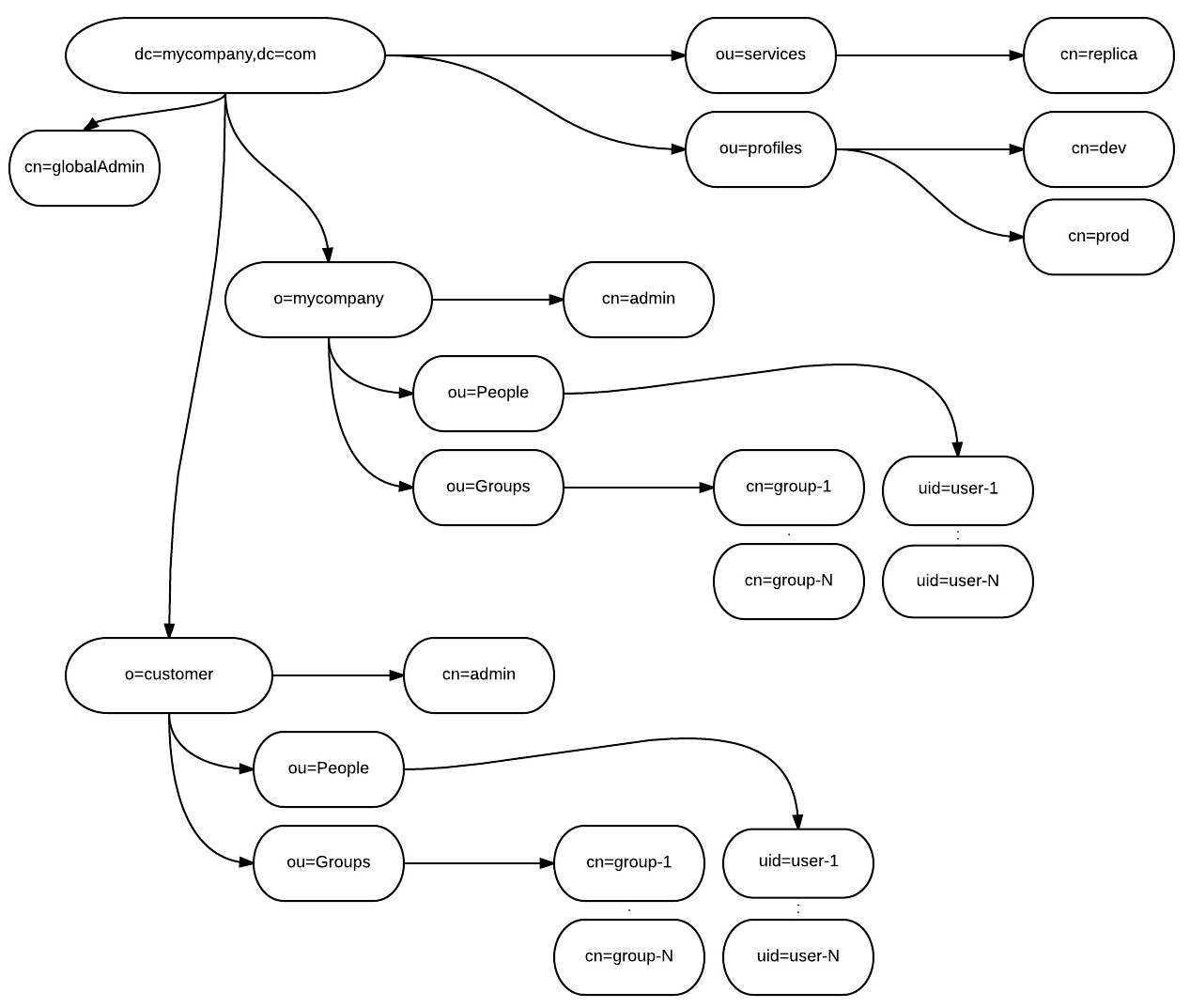
LDAP DIT

LDAP-DITFew months ago I received a task to set up LDAP authentication for Solaris 10, Solaris 11 and Linux machines in Customer’s infrastructure. As LDAP server was chosen OpenLDAP 2.4.x in Master-Slave configuration with SSL/TLS support. Servers was installed on Virtual Machines with CentOS 6.7.
I will not describe LDAP installation, because on modern Linuxes it’s simple like:

$ sudo yum install openldap-servers

Read more

Migration root disk into mirror in LVM

I’ve found several manuals describing how to add second disk to Volume Group and transform it into mirror. This does not looks complex, and everyone can do it, when everything is working like described in documentation. The problems start when something goes wrong, and one of steps failed.
In my environment there is virtual machine with CentOS 7 hosted by VMWare ESXi. This VM has system disk on one datastore. To provide redundation on OS level I decided to add second disk with the same capacity from another datastore and create RAID-1 (mirror) on them.

Read more