

Sudoers in LDAP

In addition to the standard sudoers file, sudo may be configured via LDAP. This can be especially useful for synchronizing sudoers in a large, distributed environment. You need to have LDAP server and client configured, if you do not have already, see my previous posts. LDAP schema extension for sudo is also required on LDAP … Read more

Solaris LDAP client configuration

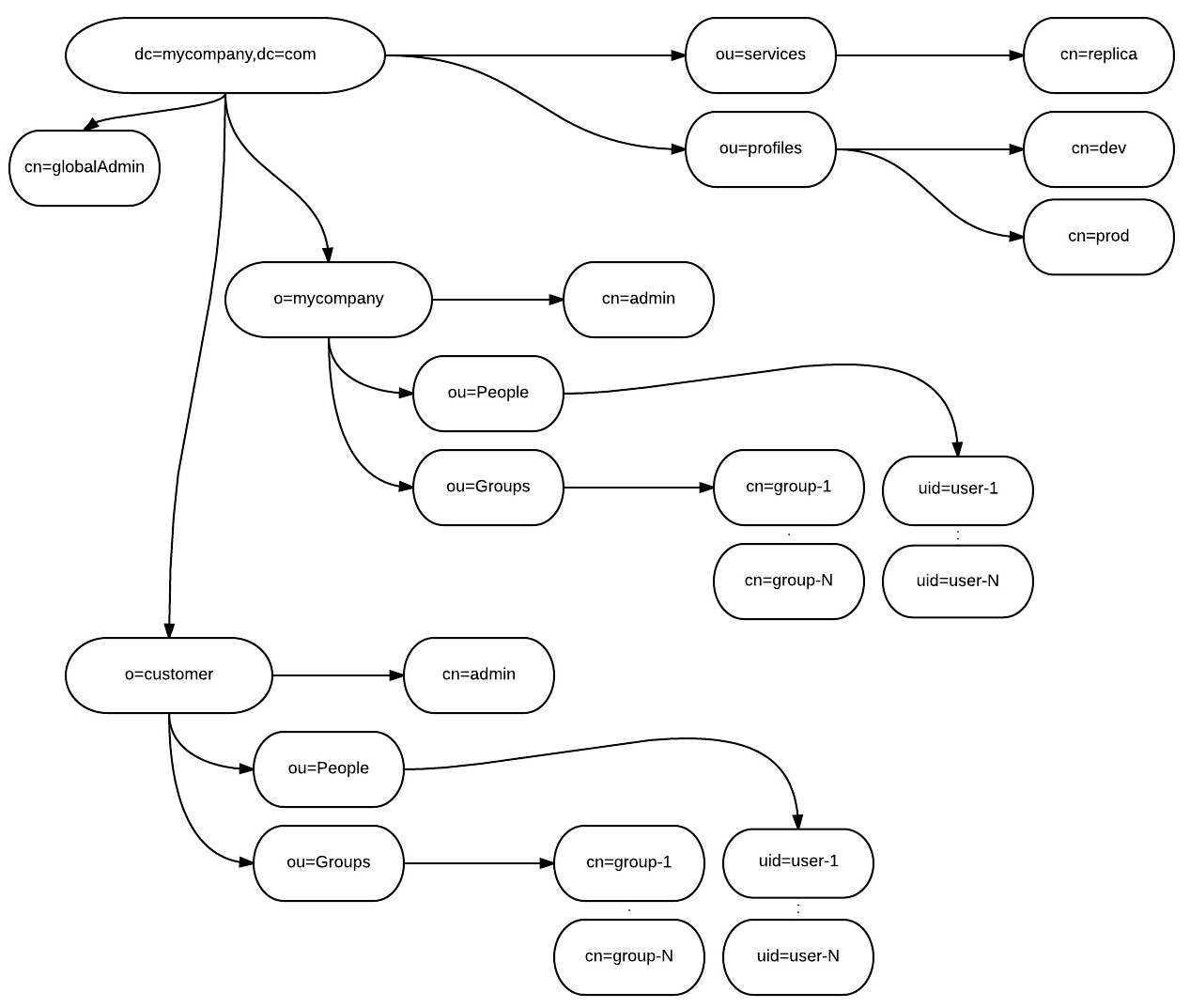
LDAP DIT

LDAP DIT
Oracle Solaris has native LDAP support built in OS, so there is no need to install third-party software to configure Solaris to use LDAP as users/groups and other repository. You can use different ways to do this, and I will describe few of them.

If secure communication is required, and we have Self Signed certificates, we need to install CA certificate on each client.
This can be achieved by import CA certificate to local store with certutil (/usr/sfw/bin/certutil in Solaris 10). First create NSS DB (Don’t enter password. Just hit return)

certutil -N -d /var/ldap
chmod 444 /var/ldap/*

Read more

LDAP server for Solaris and Linux clients

LDAP DIT

LDAP-DITFew months ago I received a task to set up LDAP authentication for Solaris 10, Solaris 11 and Linux machines in Customer’s infrastructure. As LDAP server was chosen OpenLDAP 2.4.x in Master-Slave configuration with SSL/TLS support. Servers was installed on Virtual Machines with CentOS 6.7.
I will not describe LDAP installation, because on modern Linuxes it’s simple like:

$ sudo yum install openldap-servers

Read more

Solaris 10 Release and Solaris Cluster 3.x upgrade + patching

On the day of writing, the newest version of Solaris 10 is u11 (1/13) and Cluster (for Solaris 10) is 3.3u2.
Cluster 3.2 is still supported by Oracle, but patches are no longer released. Update 11 for Solaris 10 is probably last Release of Solaris 10 and has some new features, which are not available if you only patching a system with Recommended Patches.
Before starting with upgrade it is good to check and fix any issues with current system and environment.
Please check a Cluster status, Quorum device status, running services, zpools, metadevices, metasets, hardware components etc.
If you have any issues, fix them before you start. Plan your Maintenance Window, make backup of your files and configuration.

Read more

Dovecot – compilation and installation

dovecotOn Linux systems you can install Dovecot from packages. Appropriate packages supports also LDAP authentication, MySQL and so on. Unfortunatelly you probably would not find a newest versions, when you install in this manner. Eg. for today in Ubuntu packages you will find version 2.0.19-0ubuntu1, while on Dovecot page version 2.1.7 is available. For this reason it is worth to compile and install software by yourself, even it is available in package.

Read more

Masowe snapshoty ZFS

ZFS is very friendly filesystem. You can do a snapshot quick and easy. For example, if you have ZFS named tank, you can do snapshot named snap1: # zfs snapshot tank@snap1 Done. But what if you have several pools and several ZFS filesystems on each? You can do a simple loop: # for a in … Read more

php-5.2.14

Get the sources:

root@hydra:~# su - soft
soft@hydra:~% cd php 
soft@hydra:~/php% wget "http://pl.php.net/get/php-5.2.14.tar.gz/from/this/mirror"
...
soft@hydra:~/php% gtar -zxf php-5.2.14.tar.gz

Correct version numbers in script (use sed):

soft@hydra:~/php% gsed "s/5.2.12/5.2.14/g" drf_php-5.2.12_conf > drf_php-5.2.14_conf
soft@hydra:~/php% chmod 754 !$
chmod 754 drf_php-5.2.14_conf

Check and correct path to apxs if needed:

soft@hydra:~/php% vi drf_php-5.2.14_conf